Managing a commercial cleaning contract looks simple from the outside. Clean spaces in, clean spaces out. But anyone who’s actually responsible for facilities, operations, or property management knows the reality is far more complex.
From staffing headaches and rising costs to quality control issues and compliance pressure, common challenges in commercial cleaning operations can quickly snowball if they’re not handled properly. And in Australia where WHS standards are strict, labour markets are tight, and client expectations are high those challenges feel even more real.
Whether you’re a facility manager overseeing multiple sites, a business owner outsourcing cleaning, or a cleaning company trying to scale sustainably, this article is designed to give you clarity not fluff.
Why Commercial Cleaning Is More Challenging Than It Looks
Commercial cleaning isn’t just about mops and chemicals. It’s a service industry built on people, processes, timing, and trust.
Unlike one-off services, cleaning happens every day, often outside business hours, across different environments, offices, medical centres, retail spaces, warehouses, schools, and aged care facilities. Each comes with its own risks, standards, and expectations.
When even one part of that system breaks down, problems appear fast:
- Complaints from tenants or staff
- Failed audits or inspections
- Safety incidents
- Missed cleans or inconsistent quality
That’s why understanding the root causes of cleaning challenges is the first step to fixing them.
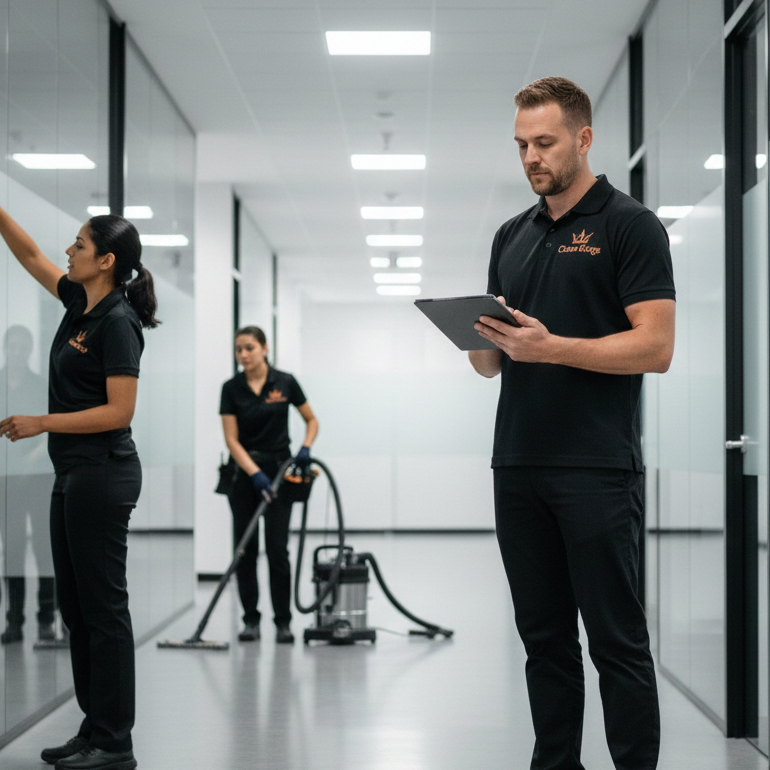
Alt :Managing cleaning inefficiencies in commercial cleaning operations
Workforce Issues: The Backbone of Cleaning Operations
If there’s one universal pain point in commercial cleaning, it’s staffing.
Staff Shortages and High Turnover
Finding reliable cleaners and keeping them is one of the biggest facility cleaning challenges across Australia. The work is physically demanding, often performed early mornings or late nights, and rarely recognised.
High turnover leads to:
- Constant retraining
- Inconsistent cleaning standards
- Gaps in rosters
- Increased supervision costs
For clients, this often shows up as “the quality just isn’t what it used to be.”
Training and Skill Gaps
Not all cleaning is equal. Healthcare, childcare, and food-related environments require strict procedures, chemical knowledge, and attention to detail.
When staff aren’t trained properly:
- Cross-contamination risks increase
- Equipment is misused or damaged
- Compliance standards aren’t met
This is where many cleaning operations struggle quietly until a problem becomes visible.
Inconsistent Quality and Lack of Accountability
One of the most common complaints facility managers raise is inconsistent cleaning quality.
Why Quality Drops Over Time
Even well-run cleaning contracts can slowly decline due to:
- Staff changes without handover
- Poor supervision
- No clear checklists or KPIs
- Lack of feedback loops
When expectations aren’t documented and reviewed, “good enough” slowly becomes the standard.
The Cost of Poor Quality Control
Inconsistent cleaning doesn’t just affect appearance. It can impact:
- Workplace health and morale
- Tenant satisfaction in shared buildings
- Infection control in sensitive environments
- Brand reputation for client-facing spaces
Regular inspections, clear scopes, and performance reporting are critical but often overlooked.
Scheduling, Scope Creep, and Time Pressure
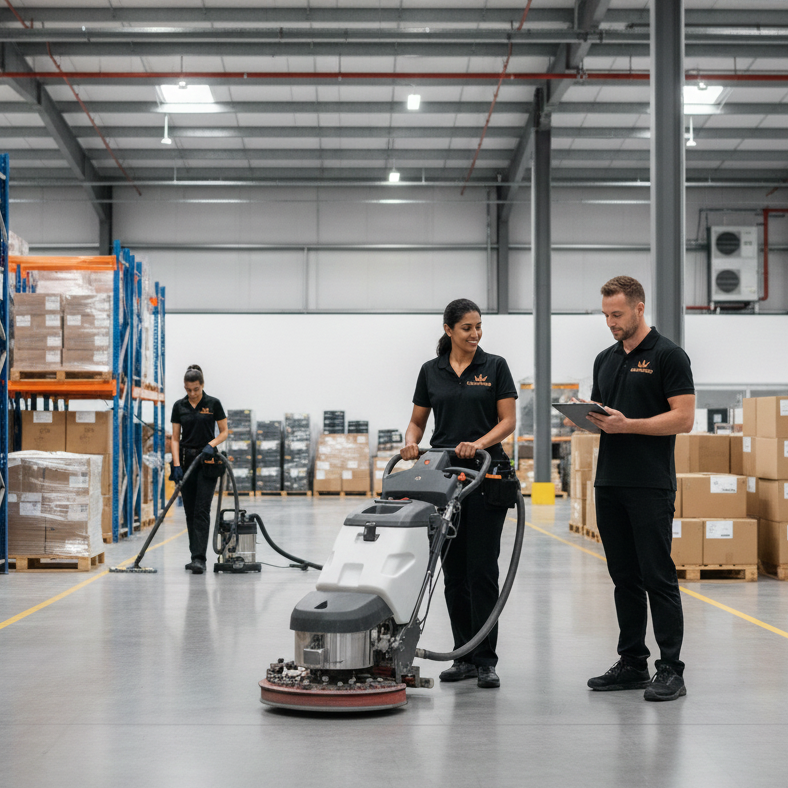
Cleaning schedules are rarely static. Offices expand, staff numbers change, operating hours shift, and special cleans get added “just this once.”
Over time, that leads to scope creep.
When Schedules Stop Matching Reality
Many cleaning inefficiencies come from outdated schedules that don’t reflect:
- Actual foot traffic
- Seasonal changes (flu season, pollen, weather)
- New areas or equipment
Cleaners are expected to do more in the same time window, which directly affects quality.
Managing Cleaning Inefficiencies Without Blowing Costs
The challenge isn’t just fixing inefficiencies, it’s doing so without increasing spend.
Smart operators review:
- Task frequency (daily vs periodic)
- High-touch vs low-use areas
- Manual tasks that could be mechanised
Efficiency doesn’t mean cutting corners, it means aligning effort with real-world usage.
Compliance, Safety, and WHS Responsibilities
In Australia, compliance is non-negotiable.
Cleaning operations must align with:
- Chemical handling regulations
- Manual handling standards
- PPE requirements
- Site-specific safety rules
Guidance from bodies like Safe Work Australia sets expectations, but responsibility is shared between cleaning providers and clients.
Where Things Often Go Wrong
Common compliance issues include:
- Incorrect chemical storage or labelling
- Lack of documented Safe Work Method Statements (SWMS)
- Inadequate induction for new sites
- No incident reporting process
These gaps increase risk for everyone involved, not just the cleaning company.
Communication Gaps Between Clients and Cleaning Teams
Most cleaning issues aren’t caused by bad intent, they’re caused by poor communication.
The “No One Told Us” Problem
Cleaners often work outside business hours, while facility managers work 9 – 5. Without clear communication systems:
- Issues go unreported
- Feedback arrives too late
- Small problems become big frustrations
Simple tools like digital logs, scheduled check-ins, and escalation points can dramatically improve outcomes.
What Is a SWOT Analysis for a Cleaning Company?
A SWOT analysis is a simple but powerful way to understand where a cleaning business or cleaning operation stands.
It looks at Strengths, Weaknesses, Opportunities, and Threats, helping decision-makers see the full picture.
Strengths
These are internal advantages, such as:
- Experienced workforce
- Strong client relationships
- Industry-specific expertise (e.g. healthcare, strata)
- Efficient systems or technology
Weaknesses
Internal areas that need improvement:
- High staff turnover
- Inconsistent training
- Manual reporting systems
- Dependence on a small number of clients
Opportunities
External factors that can be leveraged:
- Growing demand for hygiene-focused cleaning
- Sustainability and green cleaning services
- Long-term facility management contracts
- Technology adoption (apps, audits, automation)
Threats
External risks that can’t be ignored:
- Rising wages and labour shortages
- Price-driven competitors
- Regulatory changes
- Client cost-cutting
For facility managers, understanding your cleaning provider’s SWOT helps you assess long-term reliability, not just price.
What Are the Real Threats to the Cleaning Industry?
The cleaning industry is resilient, but it’s not immune to pressure.
Labour Costs and Availability
Wages continue to rise, while experienced cleaners are harder to find. This squeezes margins and increases contract pressure.
Price-Only Competition
Low-cost providers often underquote, then cut corners to survive. This leads to:
- Poor service delivery
- High turnover
- Contract churn
In the long run, this hurts both clients and the industry.
Compliance and Liability Risk
One safety incident or compliance failure can result in:
- Legal exposure
- Contract termination
- Reputation damage
This risk is growing, not shrinking.
Changing Client Expectations
Clients now expect:
- Transparent reporting
- Fast response times
- Sustainability initiatives
- Consistent quality across multiple sites
Cleaning companies that don’t adapt fall behind quickly.
How Facility Managers Can Reduce Cleaning Problems
If you’re managing cleaning across one or more sites, a few practical steps make a big difference:
- Document clear scopes of work
- Review schedules at least annually
- Request regular inspections and reports
- Encourage open feedback from occupants
- Choose partners based on capability, not just price
A proactive approach prevents 80% of common issues before they start.
How Cleaning Companies Can Adapt and Improve
For cleaning providers, the path forward is clear:
- Invest in training and supervision
- Use technology to track performance
- Build realistic schedules
- Focus on retention, not just recruitment
- Educate clients instead of overpromising
Sustainable growth comes from doing fewer things better, not more things cheaply.
Key Takeaways for Australian Businesses
Commercial cleaning challenges aren’t signs of failure, they’re signs of complexity.
The businesses that succeed are the ones that:
- Acknowledge the challenges early
- Communicate clearly
- Review operations regularly
- Treat cleaning as a critical business function, not an afterthought
When cleaning operations run smoothly, everything else works better too from staff wellbeing to brand perception.
If you’re facing recurring issues with cleaning quality, staffing, or compliance, it’s rarely about effort it’s about structure.
Addressing the common challenges in commercial cleaning operations starts with understanding them clearly, then building systems that support people on the ground.
And when that happens, clean spaces stop being a problem and start being an asset.